The first doors
Walkthroughs and showings
A key ring and a clipboard taught me to see each building through a resident’s eyes.
About me
I built one, piece by piece.
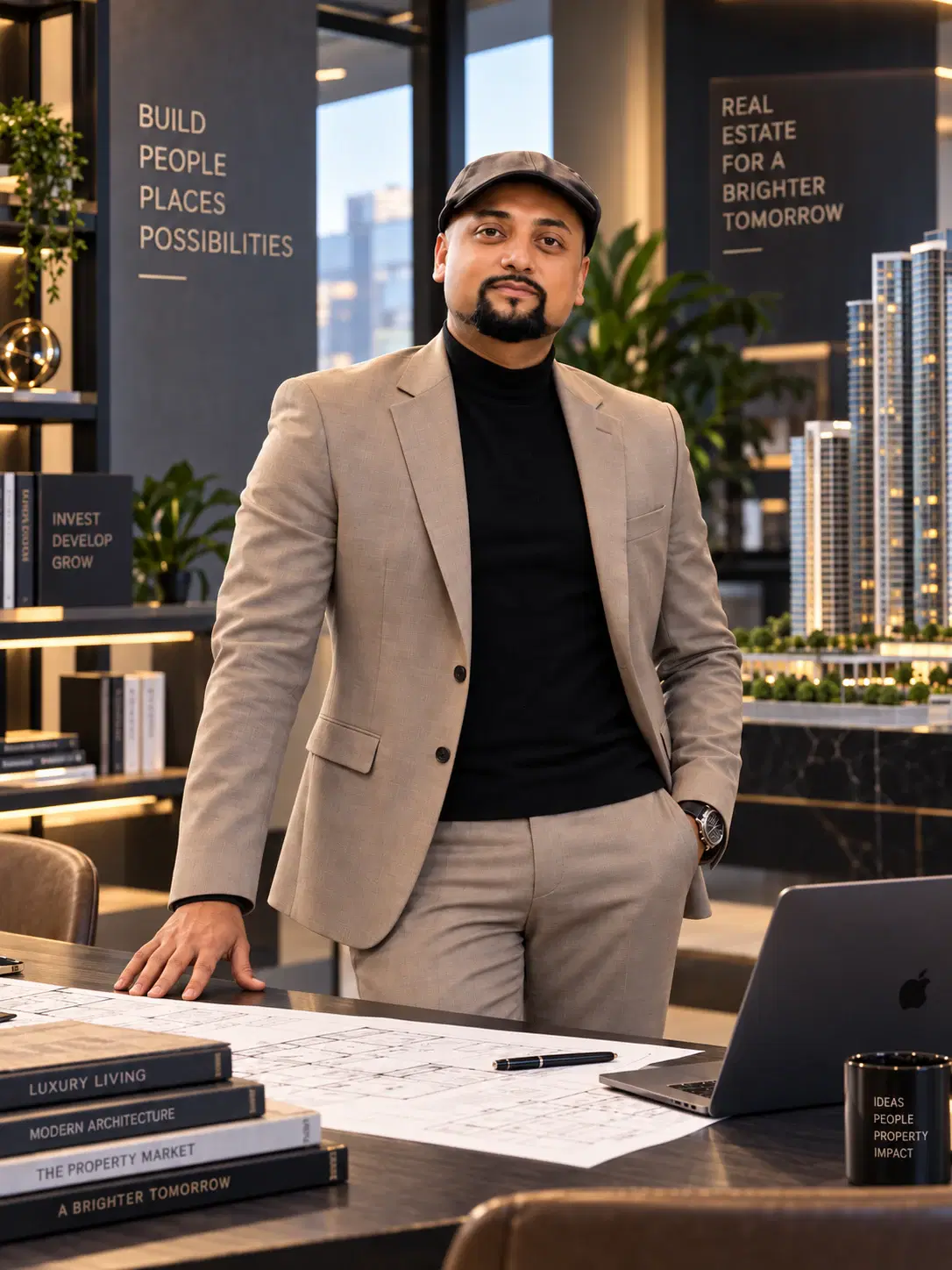
I’m Sunny Dihana — an investor, builder, and creative who believes in turning vision into real world impact. This is a glimpse into my journey, my work, and what’s next.
The filmSunny Dihana
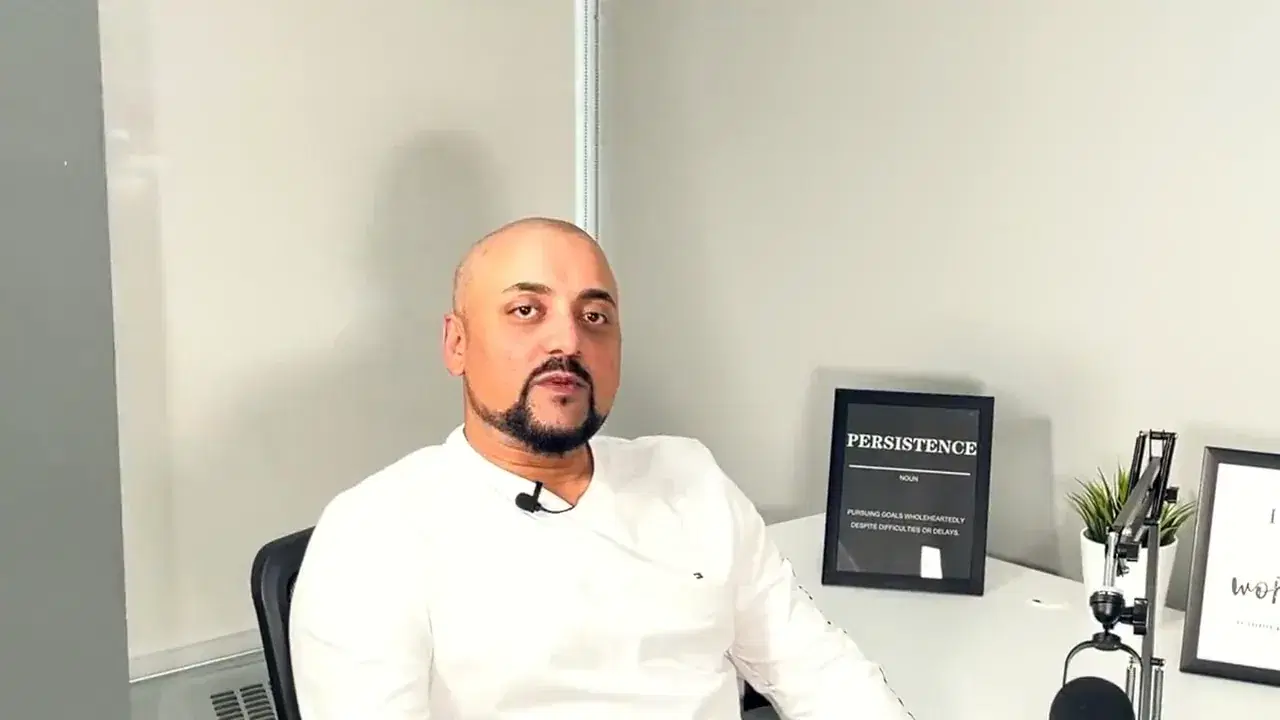
Two minutes with Sunny.
In his own words.

Two minutes with Sunny.
Residents, owners, and the operators I have trained. Every line here is about the same thing: whether the promise held on the day it was tested.
We had a leak at eleven at night. Someone answered, someone came, and it was fixed before I left for work — in a building I do not own, for a rent I can afford.
I came in knowing nothing about operations. Sunny taught the trade in the building, not in a classroom, and a year later I was running my own site with the same standard.
I was ready to sell the building. Renewals went from a scramble to 98 of 100 residents staying, and the maintenance calls stopped landing on my phone.
Every property manager promises a process. This is the first one where the process actually showed up on a Sunday, which is the only test that has ever mattered to me.
People first,
better living
Good operations
give people their time back
02Why it matters
I work on rental experiences that remove friction — fewer emails, faster answers, smoother move-ins and renewals. Because when operations just work, people get something more important back: their evenings.
Simpler processes and clear communication reduce everyday stress.
When things just work, families can focus on what actually matters.
Smoother operations create stability, trust, and a better place to call home.
Learned in order: showings, then maintenance calls and lease files, then buildings of my own to run, then an operation across five cities. The last chapter is the people coming up behind me.
The first doors
A key ring and a clipboard taught me to see each building through a resident’s eyes.
Learning the trade
Leasing taught me to listen. Maintenance taught me to follow through. Both taught me that speed is respect.
Running buildings
Running my first buildings changed the scoreboard: when residents stay, the rest follows.
Running operations
Five Alberta cities. One maintenance promise. A standard that travels with every team.
Passing it on
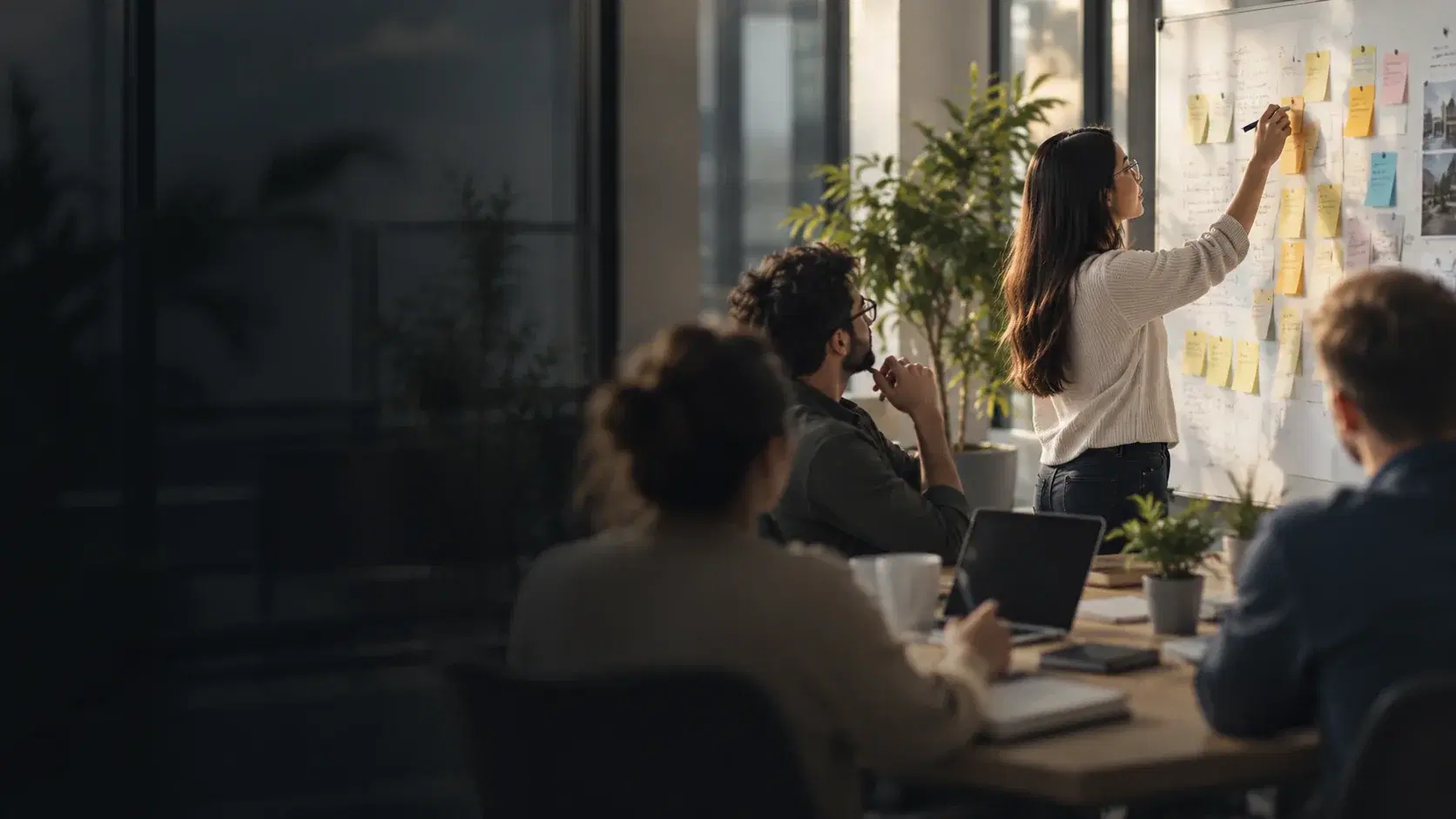
I learned this trade by doing it. Now I help the next generation of operators do the same.
The Rules
Each rule carries a number it has to answer for.
Retention
Retention beats acquisition every year of the decade. A 98% renewal rate is not luck; it is culture, hiring, and follow-through.
98%Residents renew
Process
A 24-hour maintenance response is not a promise, it is a process. Build the system once and it shows up for every resident, every day.
24hMaintenance clock
People
Buildings do not scale a business. People do. The best thing I manage is the bench of operators coming up behind me.
5Cities, one standard
Build the system once, and the promise holds without anyone having to be a hero about it.
None of them are clever. All of them are hard to keep every single day, across 16+ buildings in five Alberta cities. Here is what each one means when the phone rings.
Build the system once, and the promise holds without anyone having to be a hero about it.
Each rule carries a number it has to answer for.
Retention beats acquisition every year of the decade. A 98% renewal rate is not luck; it is culture, hiring, and follow-through.
Day to day, this means the phone gets answered and the thing we said we would fix gets fixed.
Renewal season is not a campaign at our buildings. It is the result of the other eleven months. When 98 of 100 residents choose to stay, the rest of the business gets easier.
A 24-hour maintenance response is not a promise, it is a process. Build the system once and it shows up for every resident, every day.
I do not want a building that depends on one great person having a great day. Every promise we make, like the 24-hour maintenance response, lives as a written process anyone on the team can run.
Heroics are what you reach for when the system fails. So I spend my time on the system.
Buildings do not scale a business. People do. The best thing I manage is the bench of operators coming up behind me.
I hire for character and teach the trade, because the trade can be taught. Every operator on my team learns what good looks like in a lobby, a lease file, and a work order.
My job is to make myself less necessary in every building we run. That is how one standard holds across five cities.

Part of the system is software. I helped build Rentdigi, shaped by the daily reality of running our buildings. It keeps the process identical whether the portfolio has one building or sixteen.
Same clock, same standard, every address
Every call is logged and ranked the moment it lands, and a real person responds inside twenty-four hours. The clock belongs to the resident, not to the office.
A suite is turned properly before the keys change hands: paint, punch list, everything working. Nobody inherits someone else’s unfinished job.
The trades we call are held to the same clock we hold ourselves to. A contractor’s delay is still our delay in the eyes of the resident.
Renewal is a conversation that starts eleven months before the lease ends, not a letter that goes out in the spring. By then the answer is already decided.
People
Better rental outcomes start with better people. I help operators hire the right talent, implement practical systems, and mentor teams to perform with clarity, accountability, and confidence.

Attract and hire people who align with your values and can thrive in operations.
Create clear processes, training, and expectations so people can do their best work.
Mentor and develop high-performers who take ownership and drive results.
40% lower
Team turnover2× faster
Ramp-up timeClearer
AccountabilityHappier residents
Stronger communities04 — The next chapter
Better rental housing doesn’t happen alone. It takes founders, operators, teams, partners, and communities working together — with a shared belief that homes can create opportunity.
Built together
for a brighter tomorrow
The best rental systems
are built with people,
not around them.